Abbys Masonry Corp delivers masonry services for residential and commercial properties throughout New Jersey. From driveway installation and pavers to retaining walls, chimneys, and concrete-every project starts with correct preparation and ends with work built to last.
Years Experience
Free Estimates
Licensed & Insured
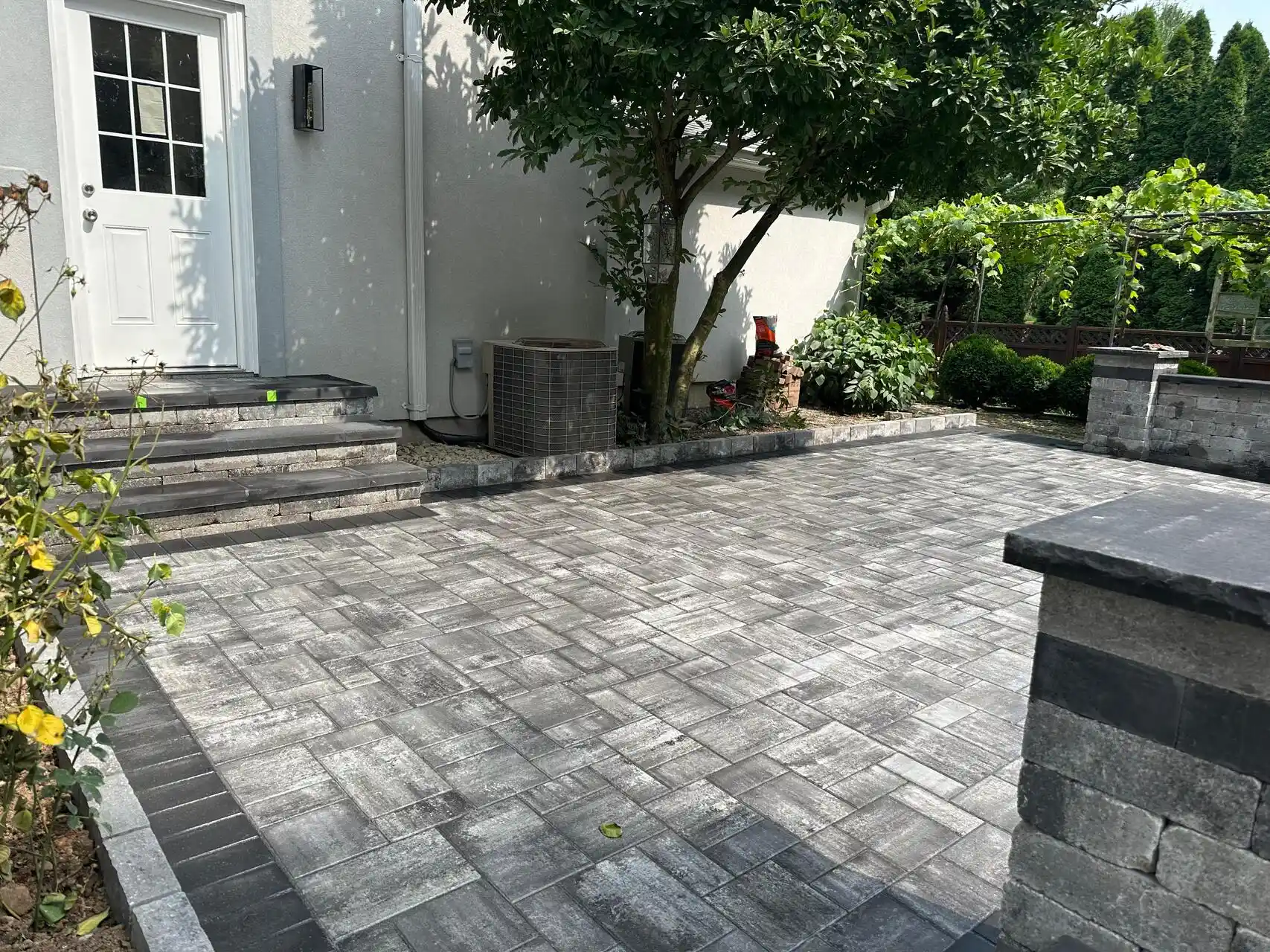
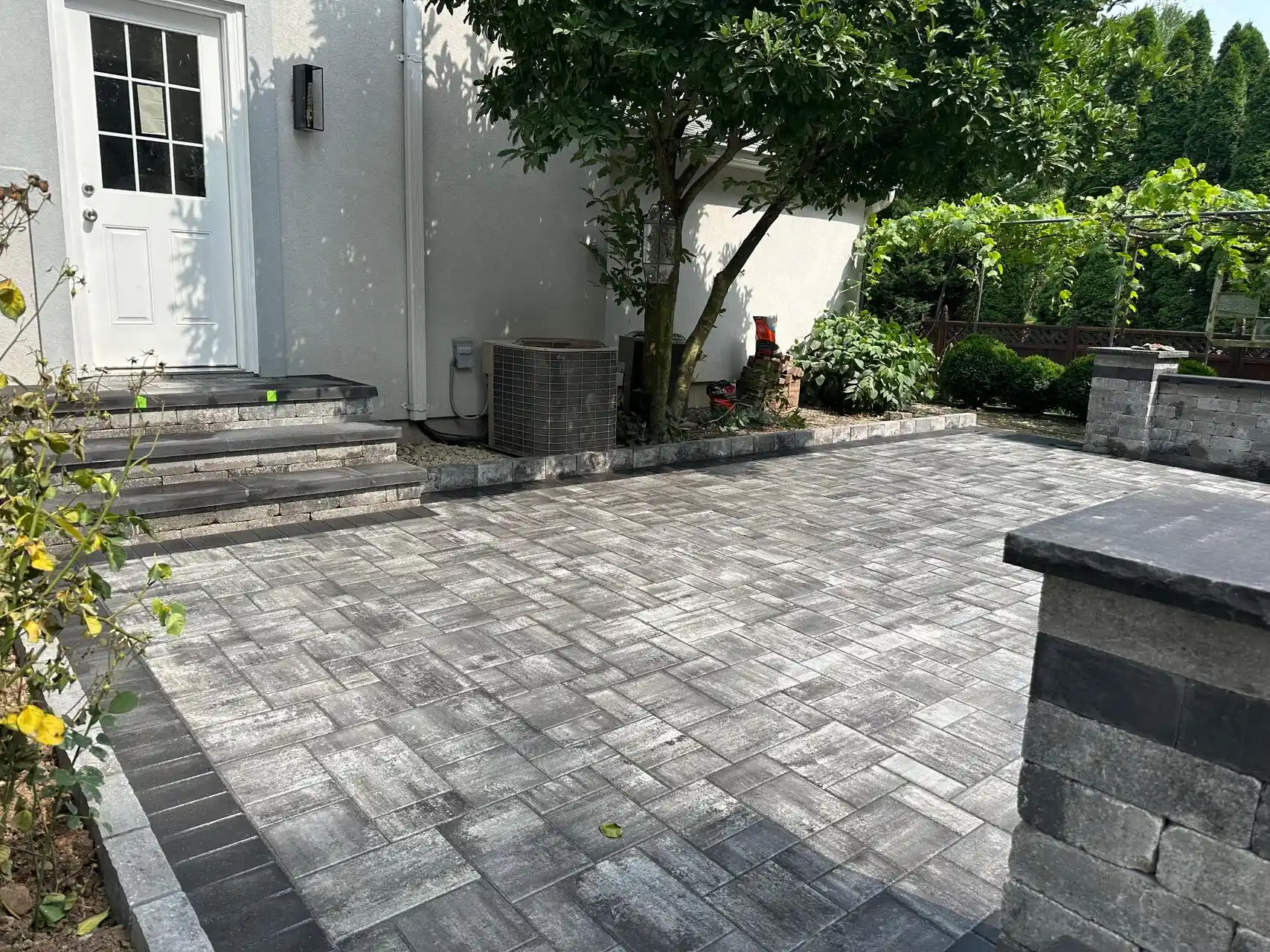
Pavers are one of the most requested outdoor surfaces in New Jersey for driveways, patios, and walkways. Manufactured from reinforced concrete in a wide range of shapes, colors, and textures, pavers combine durability with design flexibility-and they hold up through New Jersey’s freeze-thaw cycles without cracking like poured slabs.
Installation begins with full excavation, a compacted gravel base of 4 to 8 inches depending on the application, and a concrete sand bedding layer. Edge restraints and polymeric sand jointing lock every stone in place.
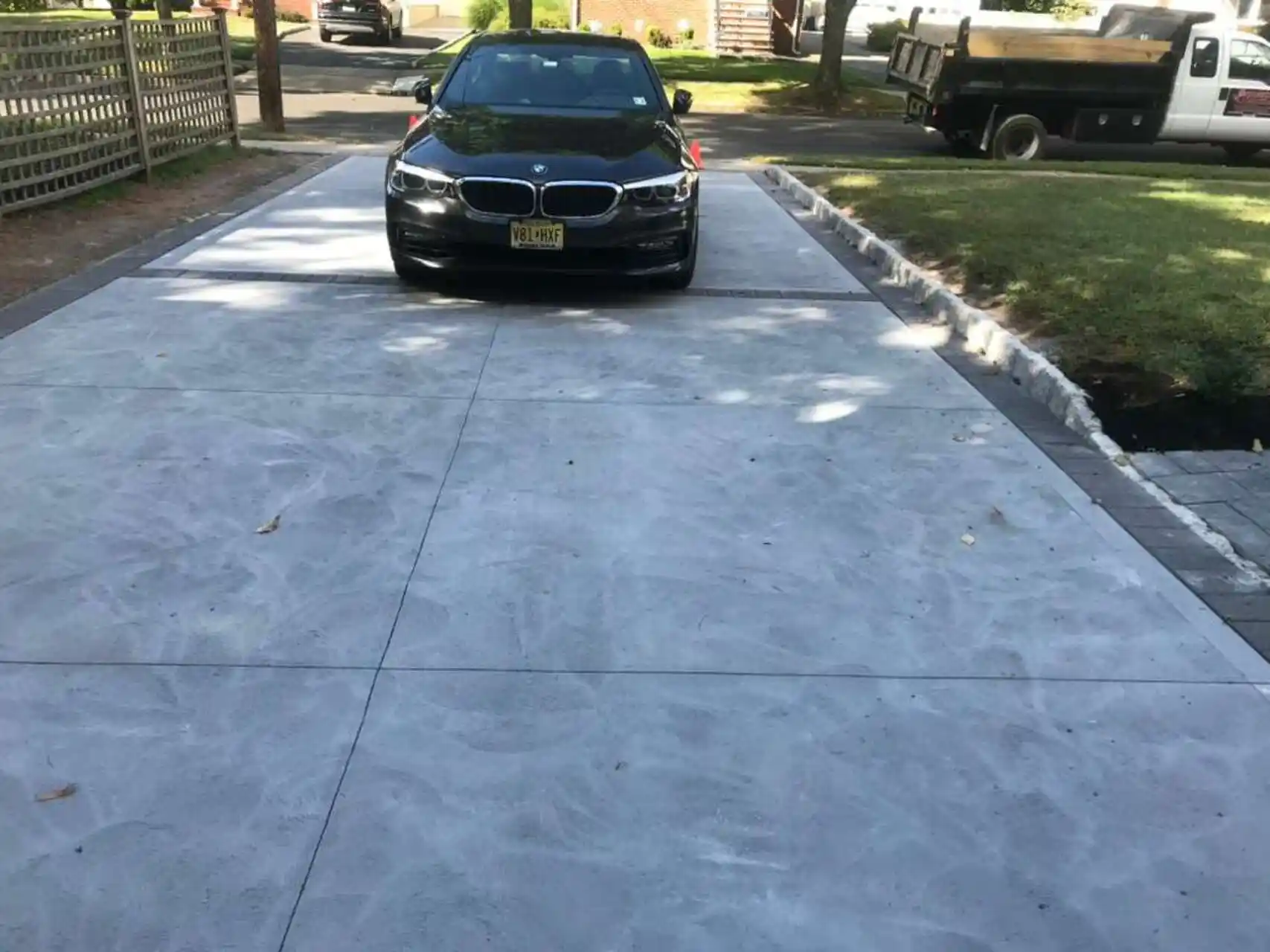
Your driveway supports vehicle weight every day, through every season. A properly installed driveway starts with the right base-not just the surface material. Abbys Masonry Corp installs driveways in concrete, pavers, and natural stone, engineered to handle New Jersey’s vehicle loads and seasonal ground movement.
Excavation to a minimum of 8 inches, compacted gravel base in layers, and correct drainage slope are the foundation of every driveway we install. The surface material comes last-and lasts longest when what’s underneath is built correctly.
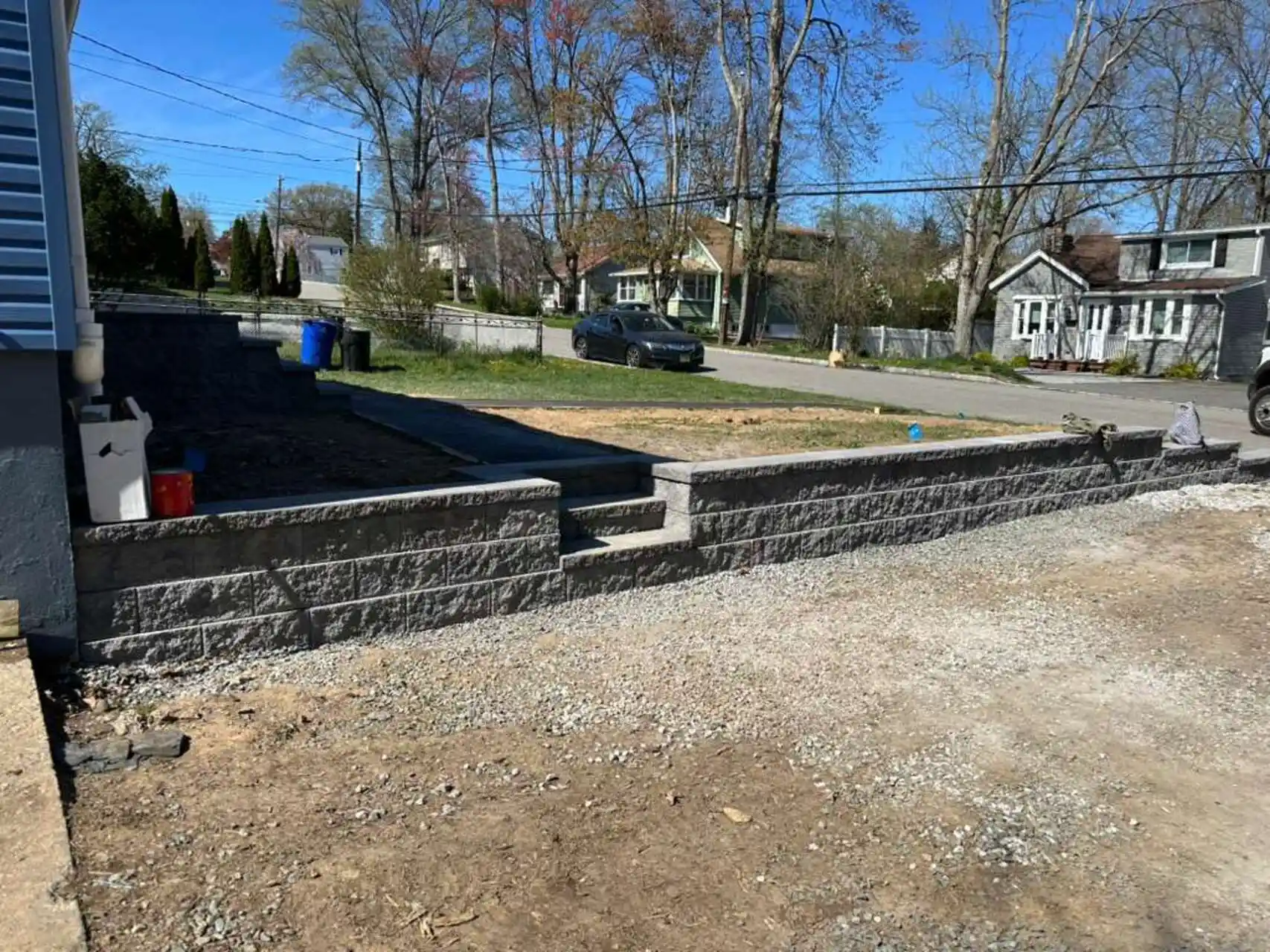
A retaining wall that fails isn’t a cosmetic problem-it’s a structural one. Abbys Masonry Corp builds retaining walls in concrete block, natural stone, and brick with engineered drainage systems and proper reinforcement for every height and soil condition. We design each wall to resist the hydrostatic pressure that causes most retaining wall failures.
Every wall includes a compacted footing, perforated drain pipe at the base, clean gravel backfill, and geogrid reinforcement for walls over 3 feet. These aren’t optional steps-they’re what separates a wall that lasts from one that doesn’t.
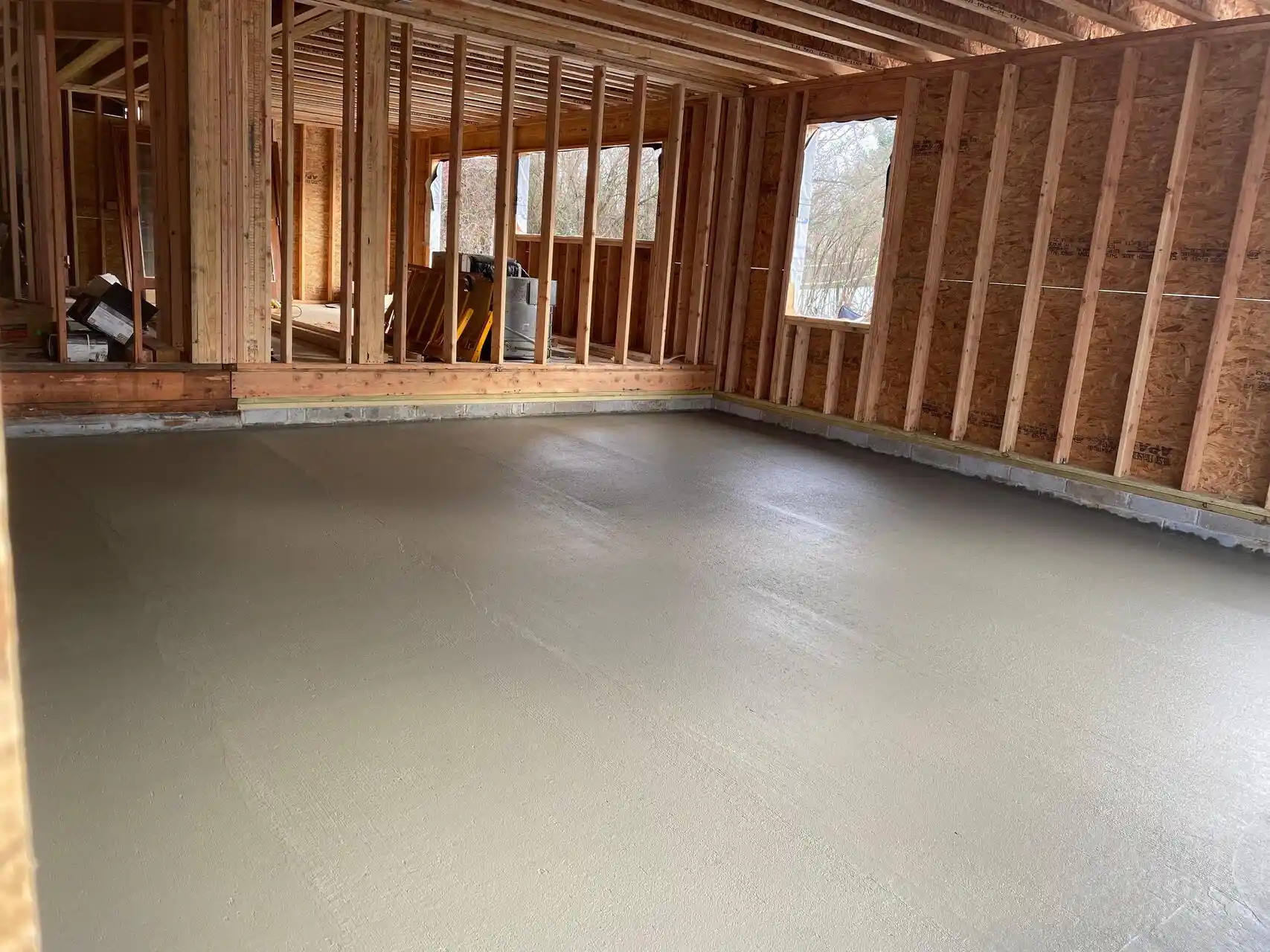
Concrete is the backbone of outdoor construction-and the quality of the work depends almost entirely on what happens before the pour. Abbys Masonry Corp handles concrete slabs, patios, aprons, pads, and structural work with proper base preparation, steel reinforcement, and correct finishing technique to maximize strength and longevity.
We establish drainage slope during layout, install rebar or wire mesh reinforcement, pour continuously to avoid cold joints, and cut control joints to manage any future movement. Proper curing time is always respected before the slab is put into use.
Cracked brick, loose stone, and deteriorated mortar joints don’t fix themselves. And patching over surface damage without finding the cause leads to the same problem returning within a season or two. Abbys Masonry Corp diagnoses what caused the damage before recommending any repair-and fixes the source, not just the symptom.
Common causes include freeze-thaw moisture cycling, inadequate drainage, vegetation root pressure, and structural settling. Once we’ve identified the root issue, we remove all failing material, prepare the surface correctly, and restore with polymer-modified mortar matched to the original.
Mortar joints are your masonry’s first line of defense against water. When they crack or erode, water enters the wall, freezes in winter, expands, and progressively widens the damage. Repointing at the right time-before the damage reaches the brick face-is one of the most cost-effective masonry maintenance decisions you can make.
We grind out deteriorated mortar to a minimum of 3/4 inch, clean all joints with compressed air, and pack new polymer-modified mortar in layers to match the original joint profile. Standard mortar patching applied too shallow is the number one reason repointing fails early.
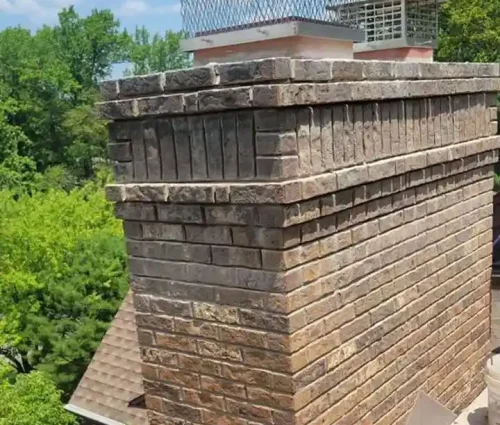
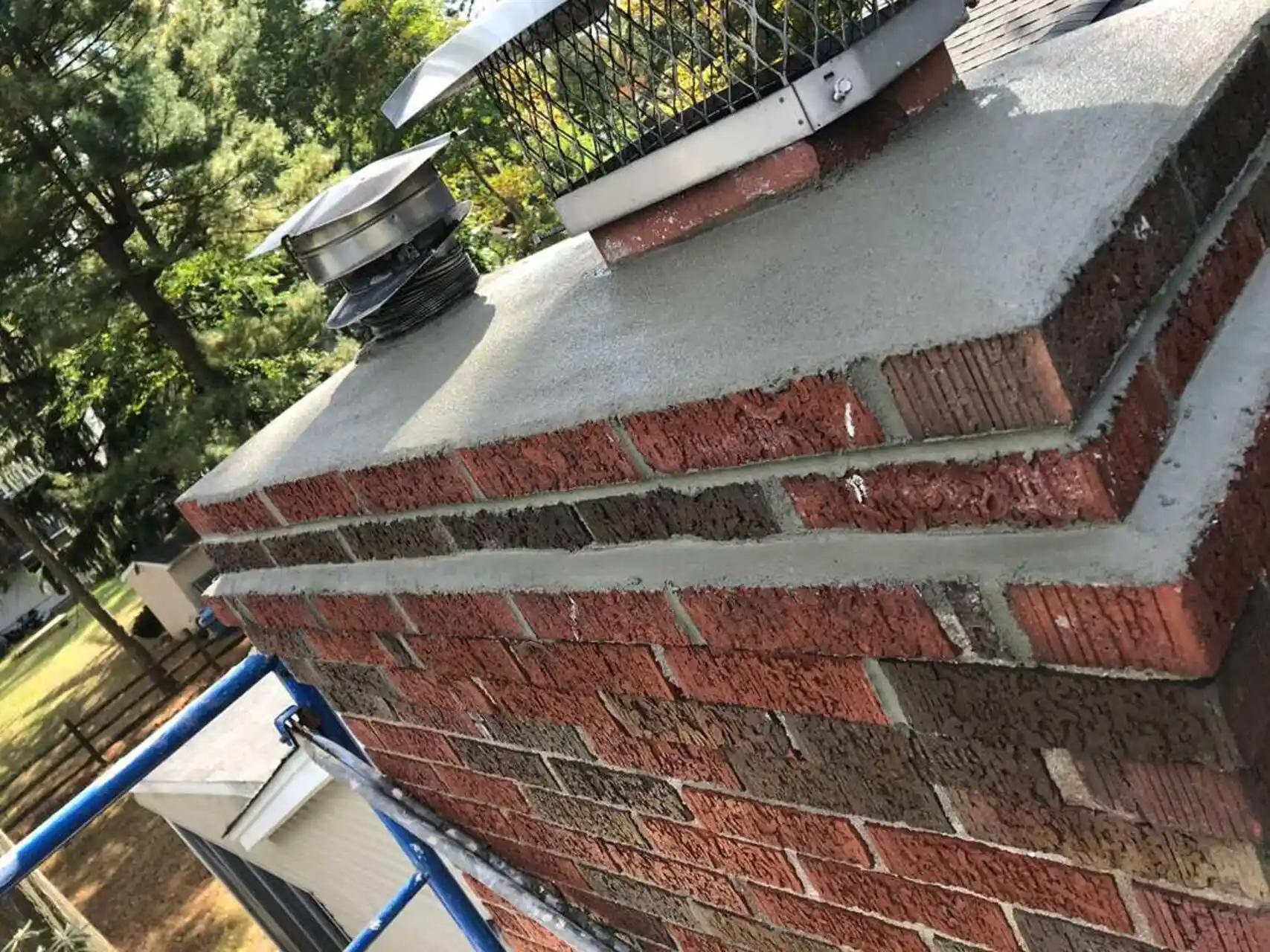
Chimneys absorb more weather punishment than any other masonry structure on a building. Constant rain, freeze-thaw cycling, and temperature swings erode crowns, crack mortar joints, and spall brick faces over time. When the damage is caught early, a targeted repair is straightforward. When it’s delayed, the water infiltration spreads-and so does the scope of the repair.
We inspect from the crown to the base, identify every point of water entry, and address each with the correct repair-not a blanket patch. Crowns are rebuilt with high-psi polymer cement. Joints are repointed with flexible, waterproof mortar. Spalled bricks are replaced or refaced. The finished chimney is sealed to protect against future moisture absorption.
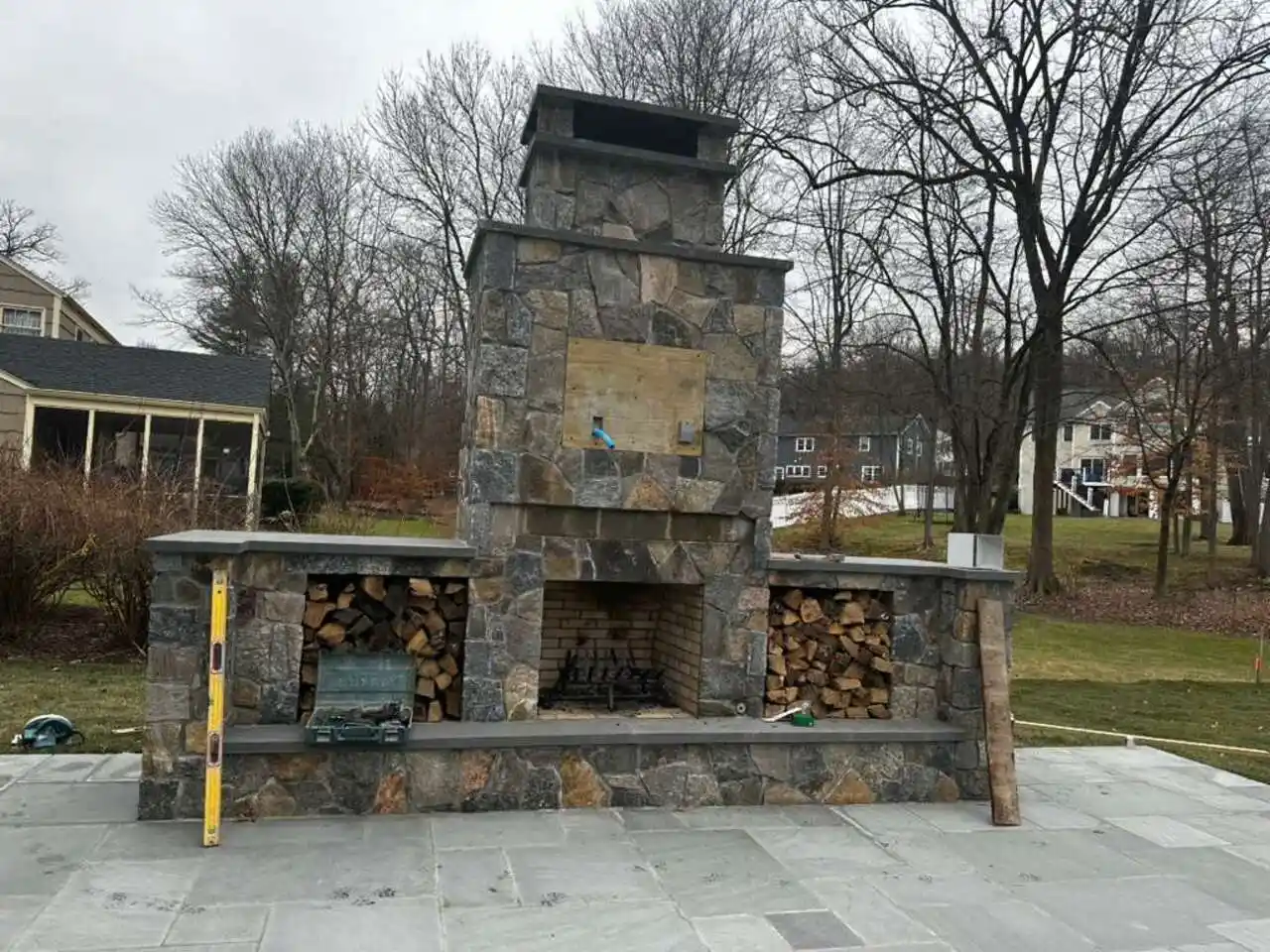
Natural stone creates an appearance that no manufactured product can replicate. Because every stone is unique in shape, color, and texture, skilled placement makes the difference between stonework that looks intentional and work that looks assembled. Abbys Masonry Corp builds stone walls, steps, patios, and landscape features with the care that material demands.
We dry-lay each course before mortaring to plan weight distribution and visual balance. Stones are selected for structural stability, not just appearance-particularly for walls and steps where load-bearing is a factor. All mortared stone work uses polymer-modified mortar for superior bonding and weather resistance.
Bluestone is a dense natural quarried stone valued in New Jersey for its durability, slip resistance, and clean appearance. It works in formal and natural settings equally well-on patios, walkways, and steps-and holds up through freeze-thaw cycles when installed with the right base and setting method. Abbys Masonry Corp installs bluestone using both dry-set and wet-set methods.
Wet-set installations use a concrete base for maximum rigidity. Dry-set uses compacted gravel and sand for flexibility and drainage. We determine the correct method based on your application, soil conditions, and drainage requirements-and cut each stone cleanly with a diamond wet saw for tight, consistent joints.
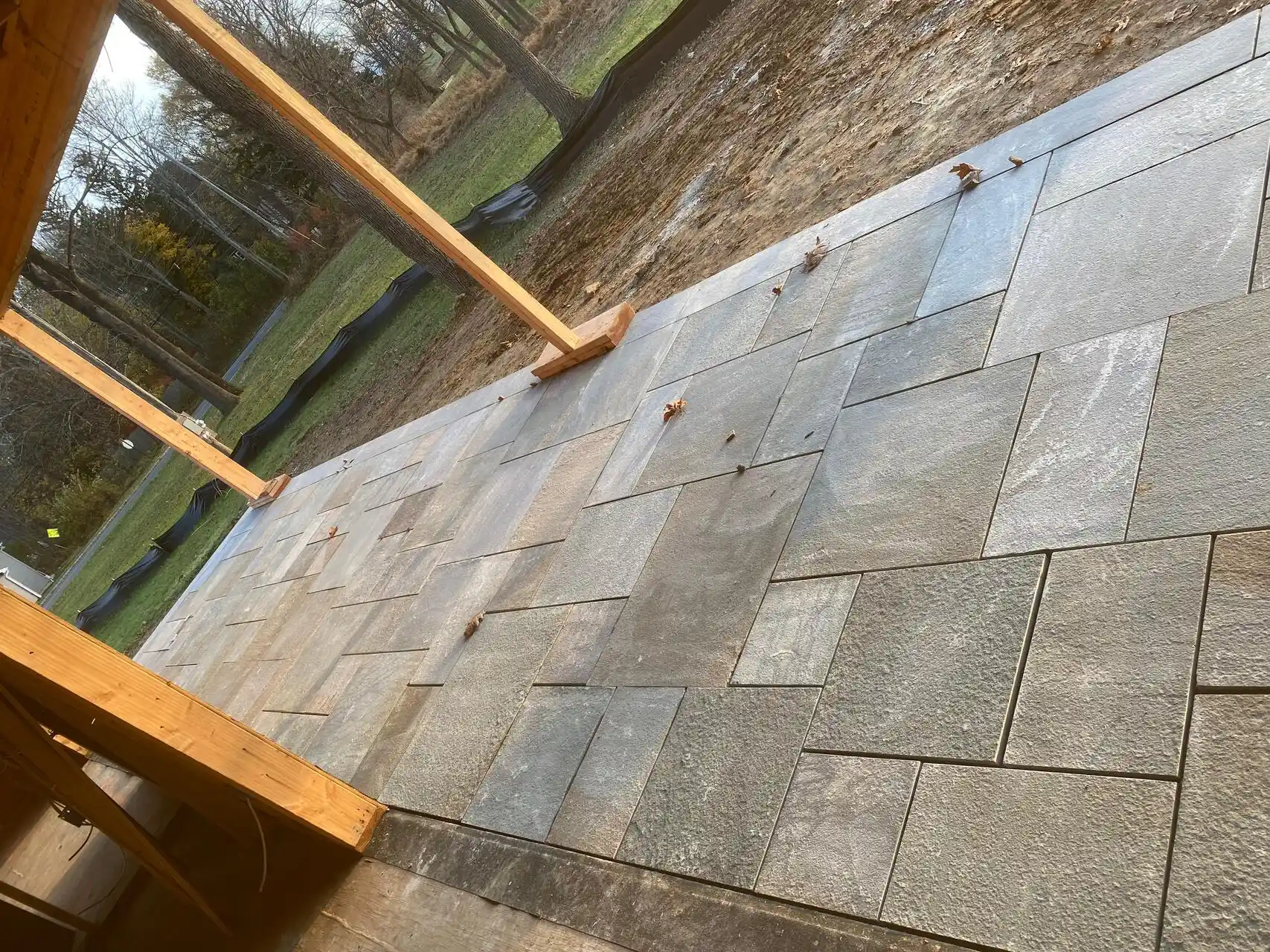
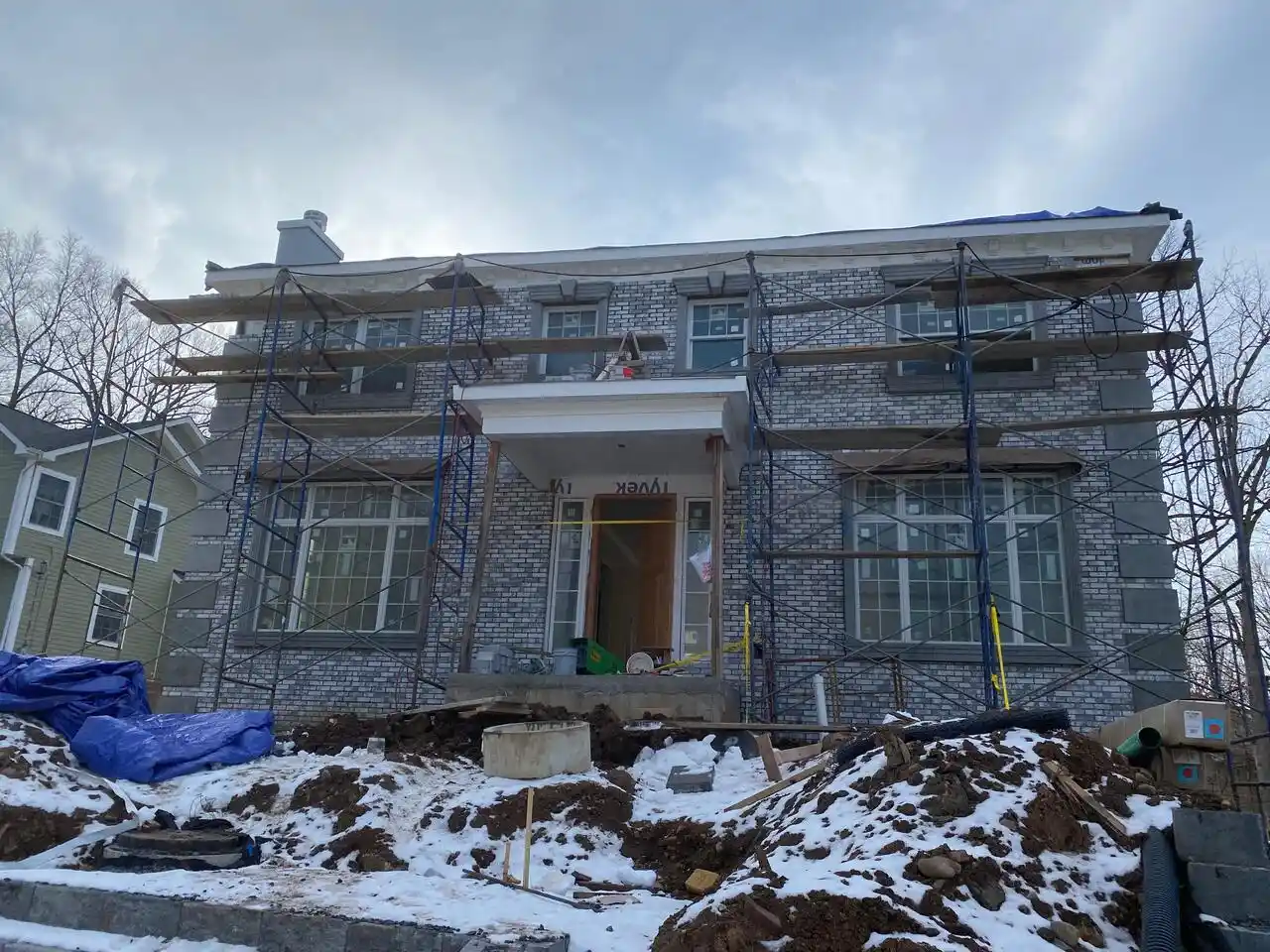
Brick and concrete block are the workhorses of masonry construction-used for walls, facades, columns, foundations, and structural systems. Brick delivers a timeless appearance and exceptional durability. Block provides structural load-bearing capacity where strength is the primary requirement. Abbys Masonry Corp installs both for residential and commercial projects in New Jersey.
Consistent mortar joint thickness, correct coursing alignment, and proper core filling in structural block applications are the technical details that determine how well a wall performs over time. We work from a verified footing, use a story pole for uniform course heights, and fill block cores with grout and rebar where structural reinforcement is required.
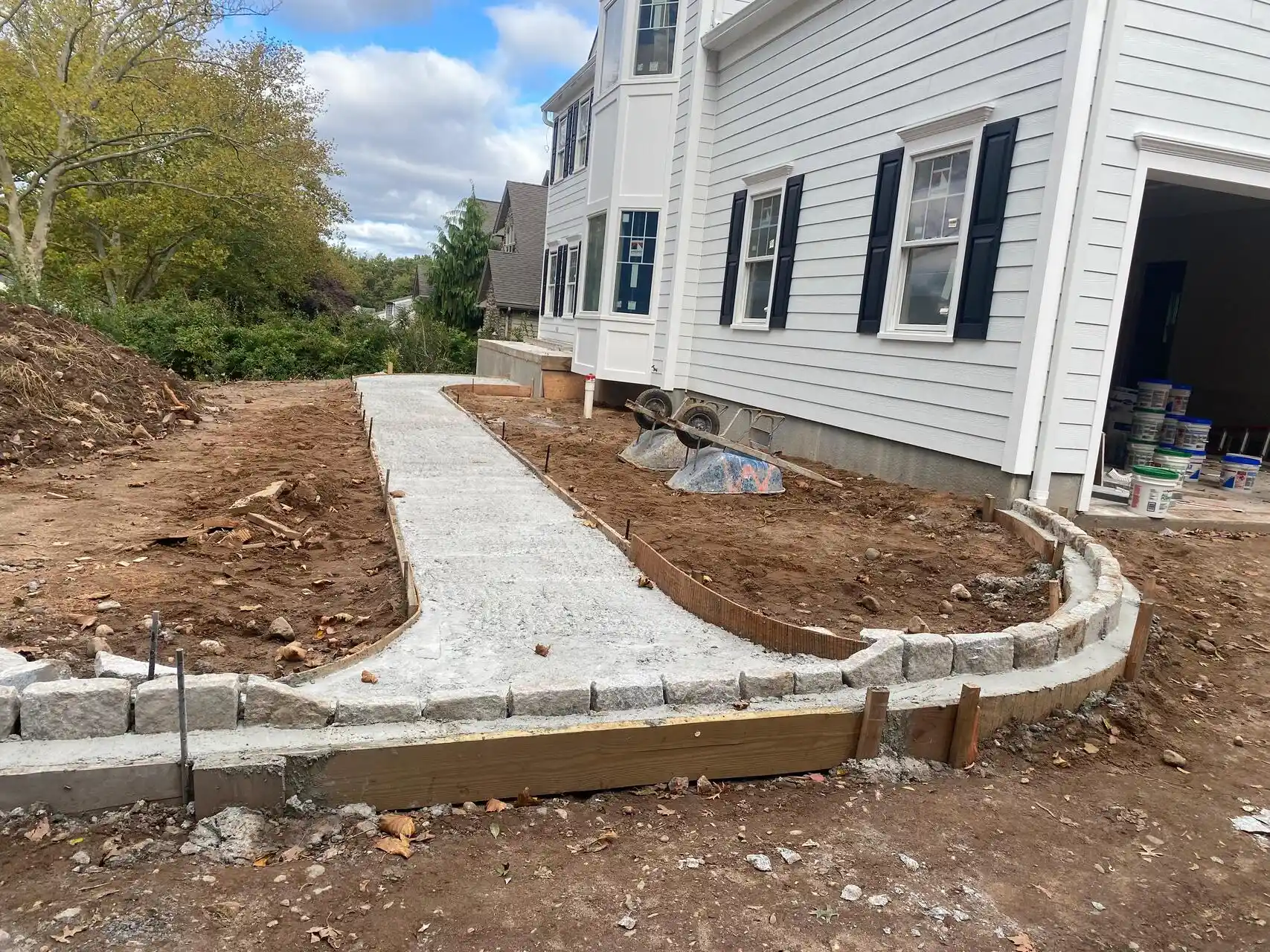
A properly built sidewalk is level, correctly sloped for drainage, reinforced against frost heave, and finished with a surface texture that provides traction in wet conditions. Abbys Masonry Corp installs concrete and paver sidewalks throughout New Jersey, coordinating permit requirements where applicable and building to local code specifications.
Frost heave is the most common cause of cracked and uneven sidewalks in New Jersey. The solution is correct base depth and proper drainage, not thicker concrete. We excavate to the required depth, install a compacted gravel base, reinforce the slab, and make control joints to guide any future movement away from random cracking.
Masonry steps that settle, crack, or become uneven are both hazardous and costly to repair. The root cause in almost every case is an inadequate footing that shifts with frost. Abbys Masonry Corp installs brick, bluestone, and concrete steps on reinforced footings below the frost line the only way to ensure they stay level through New Jersey winters.
We calculate correct rise and run dimensions to meet code requirements, construct a block sub-structure where needed for taller step sets, and set each tread and riser in a full mortar bed for complete contact. Every tread gets a 1-inch overhang to create a drip edge that directs water away from the joint below.
Belgian blocks are dense granite cobblestones used for driveway aprons, decorative borders, and edging installations. Their weight, hardness, and classic texture make them a permanent feature that handles heavy vehicle traffic, salt exposure, and freeze-thaw conditions without degrading. Abbys Masonry Corp installs Belgian blocks as standalone paving features and as structural borders alongside concrete or paver driveways.
High-traffic apron installations use a poured concrete base for maximum stability. Decorative borders use a compacted gravel and sand base. Joints are filled with mortar (wet-set) or polymeric sand (dry-set) depending on the application and movement expectations.
Water in your basement doesn’t come from one place-it comes from cracks in the masonry walls, deteriorated mortar joints, hydrostatic pressure through the block, and improper exterior grading. Abbys Masonry Corp identifies every point of water entry before any repair begins, addressing the source of infiltration rather than applying surface treatments to symptoms.
Masonry crack repair uses hydraulic cement or polymer-modified mortar to seal active entry points. Wall coating addresses porous block or concrete. Where exterior drainage is the core issue, we excavate, install drainage board and footing drain pipe, and correct the grading to direct water away from the foundation.
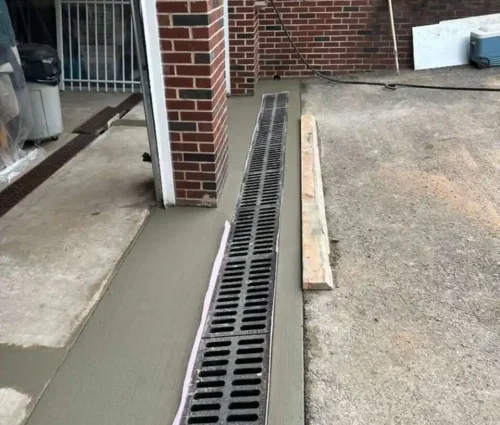
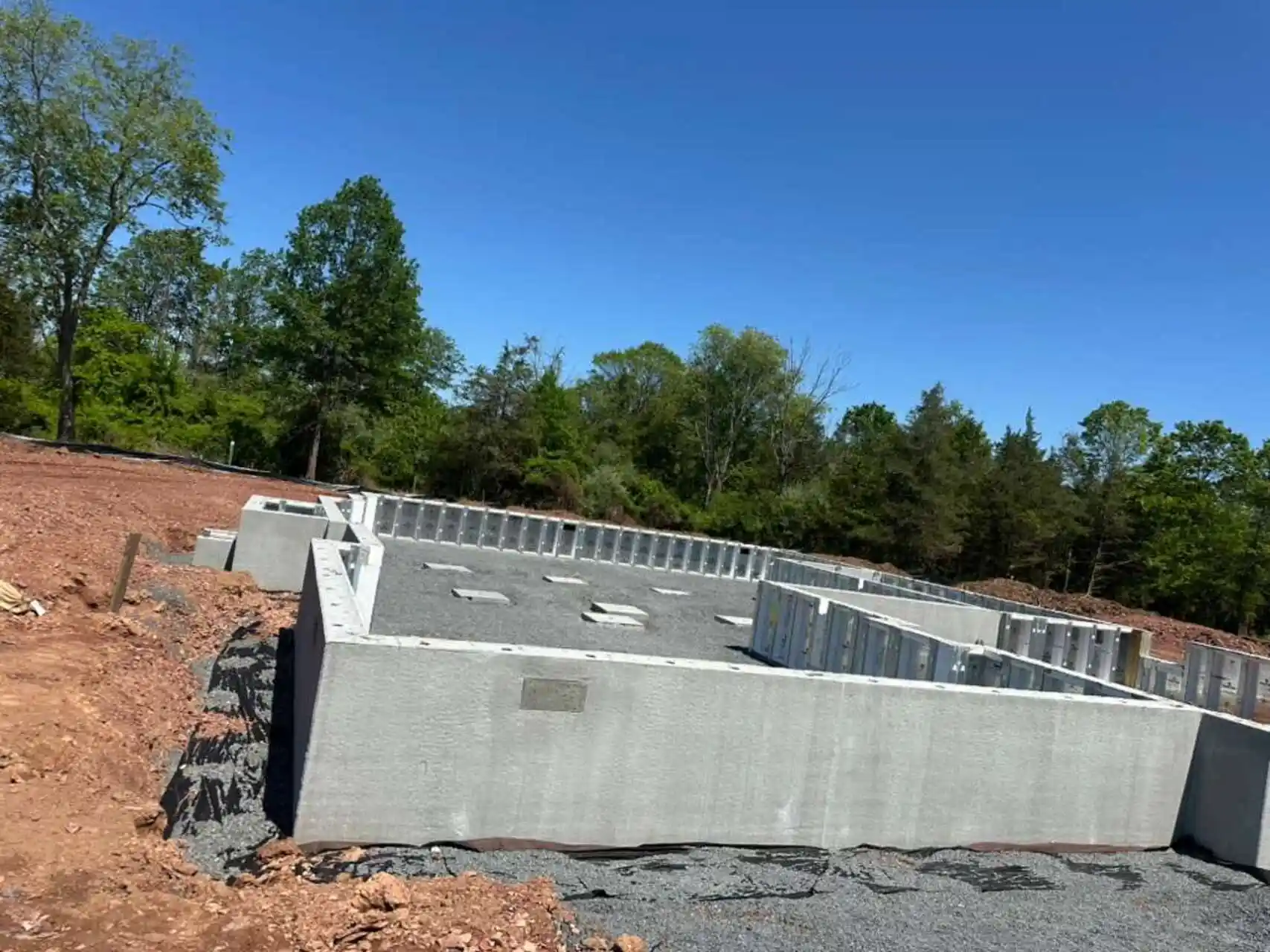
Every masonry wall, column, step set, and freestanding structure rests on a footing. In New Jersey, footings must be installed below the frost line-a minimum of 36 to 42 inches below grade-to prevent frost heave from lifting or cracking the structure above. An undersized or shallow footing is the most common reason masonry structures fail prematurely.
We verify load requirements before determining footing dimensions and reinforcement. Footings are poured continuously to avoid cold joints, allowed to cure for a minimum of seven days before any work begins above, and inspected for level and dimension before backfilling.
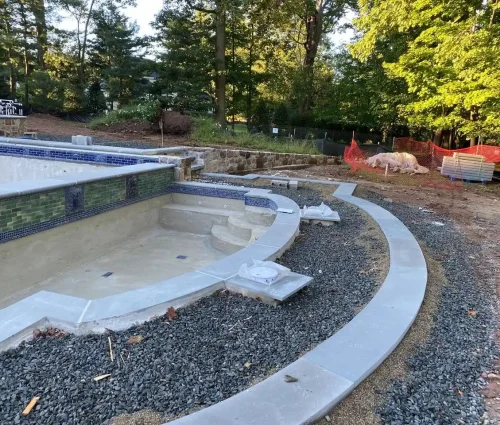
Pool coping caps the bond beam at the pool edge, protects the pool structure from water infiltration, and provides a finished, safe transition between the pool shell and the surrounding deck. Abbys Masonry Corp installs pool coping in bluestone, travertine, natural stone, and precast concrete, using flexible polymer-modified mortar and waterproof joint sealant rated for continuous wet and freeze-thaw exposure.
Rigid mortar in pool coping joints cracks as the coping expands and contracts through seasonal temperature changes. We use flexible sealant in all coping joints specifically to accommodate that movement-preventing the water infiltration that rigid mortar allows once it cracks.
A custom masonry fire pit is a permanent outdoor feature that adds functional gathering space and property value. Built from brick, natural stone, or decorative block, a properly constructed fire pit uses firebrick and refractory mortar in the firebox interior to withstand sustained high heat-materials that standard brick and mortar cannot replace without cracking and spalling over time.
We pour a concrete footing to prevent settling, build the firebox interior with firebrick set in refractory mortar, and finish the exterior with your choice of face material. A drainage provision at the base of the firebox prevents water accumulation after rain. A capstone course completes the top and protects the structure.
complete our form to let us know your questions or comments.
We use high-quality materials, pay close attention to detail, and ensure every job is completed on time and within budget. Whether it’s a small repair or a large-scale project, we treat every client with professionalism, transparency, and respect.
Every estimate is detailed, written, and explained clearly before work begins. No hidden costs and no surprises after the project starts.
All masonry installations meet New Jersey local building codes and structural requirements for both residential and commercial projects.
Each project is reviewed before completion. We do not consider a job done until the work meets our own internal standards.
We protect your landscaping, existing surfaces, and surrounding structures throughout every phase of the project from start to finish.
We adapt to your schedule to reduce disruption to your home, family, or business operations throughout the duration of the project.
Over a decade and a half of active masonry work in New Jersey-from targeted repairs to complete structural installations.
Serving Union, NJ and surrounding areas. Click below to get directions and start your project with our expert team today.